Apr 20, 2025
Apr 20, 2025
Apr 20, 2025
Fitness Tips
Gym Equipment Safety Compliance Checks: Complete Canadian Guide to Standards, Inspections, and Legal Requirements
Gym equipment safety compliance checks are structured evaluations that verify fitness equipment is safe, maintained, and used in line with legal duties and recognised standards. These checks work by combining routine operational visual inspections, documented maintenance, and periodic independent testing to reduce failure risk, prevent injuries, and demonstrate duty of care. This guide explains what gym equipment safety means, why compliance matters under Canadian occupational health and safety (OHS) legislation, and how Canadian and international standards shape inspection scope. Owners and managers will learn practical routines staff can perform, recommended inspection frequencies for different usage profiles, and step-by-step procedures for risk assessment, documentation, and corrective actions. The article maps legal requirements, inspection types and frequencies, a hands-on HowTo for effective checks, standards applicable to stationary and outdoor equipment, how to choose competent inspectors, consequences of non-compliance, and maintenance best practice. Throughout the guide, we integrate semantic keywords such as safety inspection, fitness equipment OHS, CSA Z161, and annual gym equipment inspection to align practical advice with current regulatory language and inspection expectations.
What Are the Legal Requirements for Gym Equipment Safety in Canada?
Gym equipment safety in Canada is governed by overarching duties that require employers and facility operators to ensure equipment is safe for use, properly maintained, and operated by competent people. The mechanism is legal obligation combined with risk-based control: operators must assess hazards, implement controls, and maintain records to reduce injury probability and regulatory exposure. Compliance delivers clearer accountability, fewer incidents, and defensible documentation if incidents arise. Understanding the main legal frameworks—provincial OHS legislation—clarifies what managers must do and how standards feed into inspection specifications, so facilities can prioritise actions that directly reduce risk and satisfy inspectors.
How Does Provincial Occupational Health and Safety Legislation Apply to Gym Equipment?
Provincial occupational health and safety (OHS) legislation across Canada requires employers and facility operators to ensure the health, safety, and welfare of employees and others affected by their operations, which includes gym users and contractors. This duty means carrying out suitable and sufficient risk assessments for equipment, providing training and supervising safe use, and maintaining equipment to prevent foreseeable harm. A practical three-step compliance checklist under Canadian OHS is: identify hazards, implement proportionate controls, and record and review controls regularly to ensure they remain effective. These employer responsibilities set the baseline legal expectation that informs operational checks and higher-level inspections.
What Are the Key Provisions for Work Equipment Safety in Canada?
Canadian occupational health and safety legislation includes provisions that require equipment provided for work to be suitable, maintained, inspected, and used by competent persons, with appropriate information and training supplied. For fitness equipment, this translates into ensuring machines are fit for intended use, emergency stops and electrical safety are functioning, and scheduled maintenance prevents deterioration that could cause injury. Practical actions include documented maintenance plans, functional testing of safety devices, and ensuring staff competence to perform routine operational checks. Compliance with these OHS provisions therefore shapes both the content and cadence of inspection and maintenance activities.
Which Canadian and International Standards Govern Gym Equipment Safety?
Canadian and international standards such as CSA Z161, ISO 20957, and other relevant CSA standards define design, performance, and testing criteria that influence inspection scope and acceptance testing. These standards do not replace legislation but provide specific technical requirements that inspectors and procurement teams use to set inspection checkpoints and acceptance criteria. Referencing the correct standard when specifying equipment or writing inspection scopes ensures tests cover relevant safety features and durability expectations. Knowing which standard applies to each equipment category helps owners write clearer maintenance contracts and verify compliance during audits.
Who Is Responsible for Ensuring Compliance in Fitness Facilities?
Responsibility for compliance rests primarily with the employer or duty-holder, who must ensure equipment is safe, risk assessments are completed, and necessary controls are applied, though tasks can be delegated to competent persons. Typical accountability includes the owner for overall duty of care, managers for day-to-day safety systems, maintenance staff for operational checks, and external inspectors for independent annual verification. Creating an accountability matrix clarifies who does routine visual checks, who schedules operational inspections, and who commissions independent certification, which helps close gaps between operational practice and regulatory expectations. Clear role allocation ensures inspections lead to timely corrective action.
Gym owners should next map these responsibilities into an inspection schedule tailored to their facility's usage patterns and equipment mix to ensure everyday safety tasks are carried out reliably.
How Often Should Gym Equipment Safety Inspections Be Conducted?
Inspection frequency for gym equipment balances routine operational checks, scheduled operational inspections, and comprehensive annual examinations to manage risk efficiently and proportionately. The mechanism is layered inspection: daily or weekly visual checks catch obvious hazards, periodic operational checks verify function and wear, and annual independent inspections provide a deeper technical review and certification. Applying this layered approach reduces downtime and prevents escalation of minor wear into major failures, delivering safety and cost benefits. Below is a practical comparison of inspection types and recommended cadences to help managers set realistic schedules that reflect usage and environment.
Routine, operational, and annual inspection types compare as follows:
Inspection type | Typical scope | Recommended interval & triggers |
|---|---|---|
Routine visual checks | User-level visual inspection: upholstery, loose items, tripping hazards | Daily to weekly; after heavy use or incidents |
Operational inspections | Trained staff check function, moving parts, electrical safety | Monthly to quarterly; increased frequency for high usage |
Annual comprehensive inspection | Qualified inspector verifies structural integrity, electrical safety, fixed installations, issues certificate | Annually, or after major repairs/installation |
This table clarifies how different inspection layers complement each other and when external triggers such as high usage, incident reports, or refurbishment require immediate re-inspection. Next, we examine each inspection type in practical terms so teams can adopt fitting implementation steps.
What Are Routine, Operational, and Annual Inspection Types?
Routine checks are simple visual and functional reviews performed by staff to spot obvious defects, such as loose fasteners, frayed cables, or jammed emergency stops, and should be done daily or weekly depending on use. Operational inspections are more thorough tests by trained staff who assess moving parts, measure tolerances, and test electrical safety, typically on a monthly or quarterly basis. Annual inspections are independent, detailed surveys by a competent inspector that include structural testing, load checks, and a written report with corrective actions and certification if compliant. Each inspection type has distinct scope and purpose, and integrating them into a cohesive schedule provides continuous safety coverage.
How Do Usage Levels Affect Inspection Schedules?
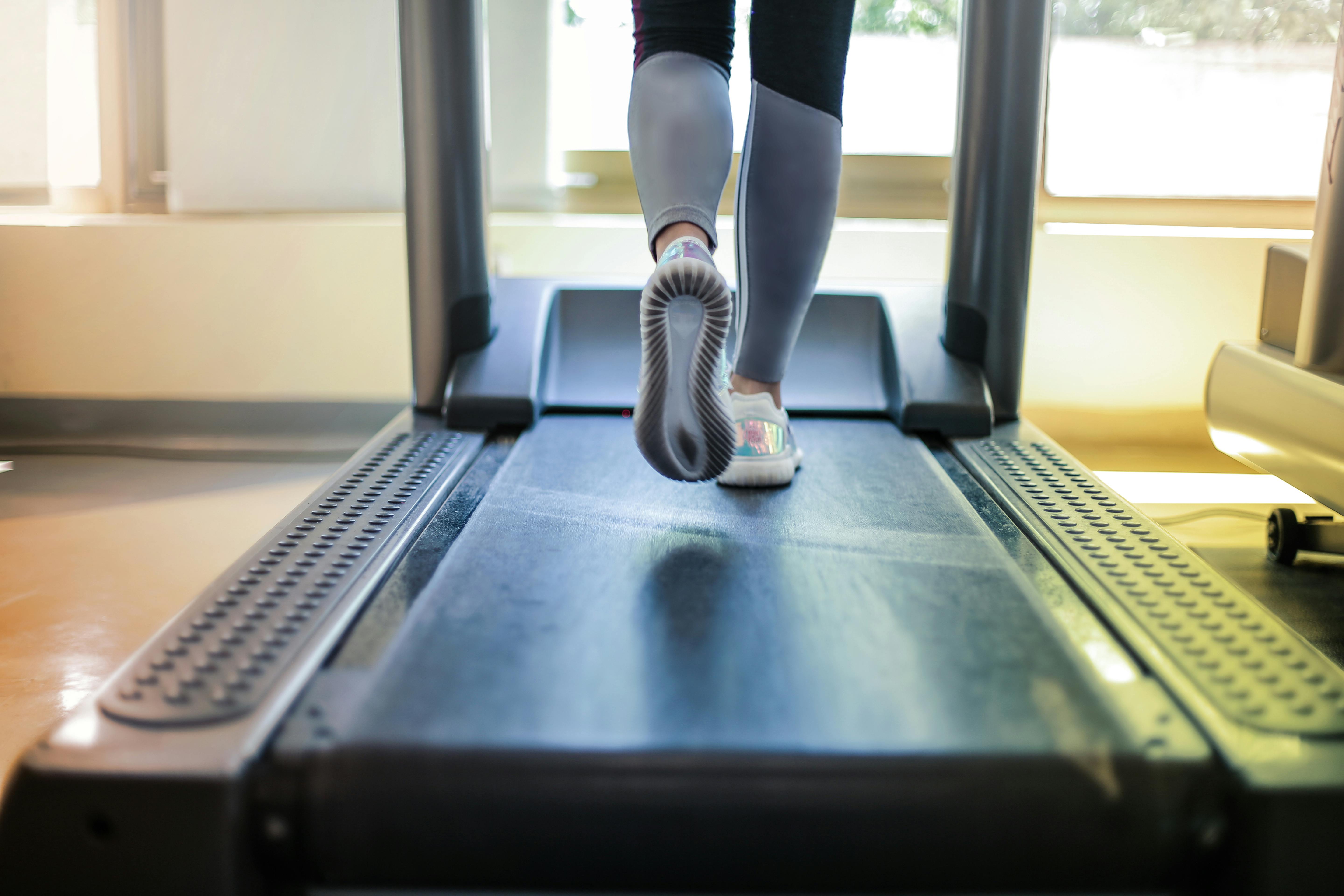
Usage intensity directly affects wear rates and therefore inspection frequency; high-traffic commercial gyms require more frequent operational checks and faster response to defects than low-usage community or school facilities. For example, a high-usage treadmill in a commercial gym may need daily visual checks and monthly operational servicing, while a seldom-used community centre treadmill may follow weekly visual checks and quarterly servicing. Other factors such as outdoor exposure, member demographics, and high-risk classes (e.g., HIIT) should trigger tailored schedules. Adjusting frequencies based on usage ensures resources focus on the greatest risks.
What Are the Benefits of Regular Maintenance and Compliance Checks?
Regular maintenance and compliance checks reduce accident risk, extend equipment life, and lower long-term repair costs by catching wear early, which also supports insurance and legal defensibility. The mechanism is preventative control that minimises incident frequency and severity while providing documentary evidence of duty-of-care activities. Facilities that implement documented inspection programmes typically experience fewer unscheduled outages and improved member confidence. These operational benefits also create financial advantages through reduced replacement costs and smoother relationships with insurers and regulators.
How to Perform Effective Gym Equipment Safety Compliance Checks?
Effective compliance checks combine systematic inspection of key components, a risk assessment process that prioritises interventions, and robust documentation practices to record findings and corrective actions. The mechanism is a disciplined HowTo approach that identifies potential failure modes, evaluates likelihood and consequence, and implements controls proportionate to risk. Performing checks using standardised tools and templates ensures consistent outcomes, while good record-keeping supports certification and legal defence. The following subsections give practical component checklists, a risk assessment template, recommended tools, and documentation structure for reliable inspections.
Before the parts checklist, here is a systematic mapping of common equipment parts to typical faults and required actions.
Equipment part | Faults to look for | Risk / Action required |
|---|---|---|
Frame and welds | Cracks, deformation | High risk: remove from use, engineer assessment and repair |
Cables and pulleys | Fraying, kinks, misalignment | High risk: replace cable and test; quarantine until fixed |
Belts and drive systems | Excess wear, slipping | Medium risk: adjust/replace, functional test |
Electrical components & emergency stop | Faulty stop, exposed wiring | High risk: isolate power, engineer inspection and repair |
Upholstery and grips | Tears, exposed foam | Low risk: replace or repair to prevent hygiene/comfort issues |
This table guides inspectors to prioritise actions based on the risk posed by each fault, ensuring prompt remediation for high-risk items and scheduled repair for lower-risk issues. Next, we outline a step-by-step risk assessment method to structure these findings.
What Are the Key Components to Inspect on Gym Equipment?
Key inspection points include structural integrity, fasteners, moving parts such as pulleys and belts, electrical safety and emergency stops, upholstery and floor fixings, plus visible wear on user-contact surfaces. Inspectors should verify frame straightness, torque on critical fasteners, smoothness of moving parts, and correct operation of safety devices as part of each operational check. Annotated diagrams are useful for staff to identify these parts during routine checks and to direct maintenance work to the right component. Inspecting these components systematically reduces the chance that hidden wear becomes an immediate safety hazard.
How to Conduct a Risk Assessment for Gym Equipment?
A concise risk assessment follows four steps: identify hazards associated with each piece of equipment, assess who might be harmed and how, evaluate and implement controls to reduce risk, and record findings with a schedule for review. For example, a loose treadmill belt represents a slip/pinch hazard; assess likelihood and consequence, decide on immediate quarantine and belt replacement, and document the action and verification test. Recording the rationale and review date is essential for demonstrating that decisions were proportionate and monitored. This template approach helps facilities make defensible choices about when equipment must be removed from service.
What Tools and Checklists Are Recommended for Inspectors?
Inspectors benefit from a small toolkit including a torque wrench for critical fasteners, multimeter for electrical checks, inspection mirror for hidden areas, and calibrated measurement tools to verify tolerances, paired with a standardised checklist. Digital checklists that log photos, timestamps, and inspector signatures improve traceability and speed up remedial work allocation compared with paper forms. A recommended checklist structure separates visual, operational, and measured checks to make sure each inspection covers required aspects consistently. Using these tools and structured checklists streamlines inspections and improves record accuracy.
How to Document and Certify Compliance After Inspections?
Effective documentation includes an inspection report with essential fields: date, inspector name and competence, equipment ID, findings, risk ratings, corrective actions, deadlines, and verification of completion, plus photographic evidence where feasible. Certificates provided after annual inspections should state scope, standards referenced, items tested, and any exclusions, and indicate whether the equipment passed or requires remedial action. A clear corrective action register with ticketing, assigned responsibility, and close-out evidence ensures defects are not overlooked. Proper documentation creates a defensible trail that supports insurance claims and regulatory responses.
What Are the Specific Safety Standards for Different Types of Gym Equipment in Canada?
Different equipment categories are governed by distinct standards that set design, testing, and performance expectations which inspectors and procurement teams must reference when writing inspection scopes or acceptance tests. Standards translate technical clauses into practical checkpoints such as strength, stability, electrical safety, and anchoring, and they influence required inspection rigour during commissioning and annual testing. Mapping standards to equipment types helps owners target the correct tests and acceptance criteria, improving procurement decisions and ensuring installed equipment meets user and regulatory expectations.
The primary standards comparison is outlined below for quick reference.
Standard | Applies to / Scope | Key requirements / implications |
|---|---|---|
CSA Z161 / ISO 20957 | Stationary training equipment (treadmills, bikes, strength machines) | Performance tests, stability, safety devices, durability testing and marking |
Relevant CSA Standards & OHS | Outdoor fitness equipment | Material durability, anchoring, spacing and surfacing, weather resistance, general OHS duties |
Relevant CSA Standards & Manufacturer Guidelines | General sports equipment | Guidance on materials, installation, maintenance, and safe use for sports apparatus |
This comparison allows procurement and inspection plans to reference the correct standard clauses when specifying acceptance tests and maintenance checks. The following subsections explain how each standard applies in practice for common equipment types.
How Do CSA Z161 and ISO 20957 Apply to Stationary Training Equipment?
CSA Z161 (Safety Code for Fitness Equipment) and ISO 20957 set requirements for stationary training equipment such as treadmills, upright bikes, and strength machines including stability, braking, emergency stops, and strength tests under defined loads. Inspections and acceptance tests derived from these standards typically verify structural integrity, correct function of safety devices, electrical insulation, and declared performance parameters. For managers, this means specifying standard-based scope in purchase and inspection contracts and ensuring inspectors reference the correct clauses during annual testing. Compliance with these standards reduces the likelihood of equipment failure under normal use.
What Are the Requirements for Outdoor Gym Equipment in Canada?
For outdoor fitness installations in Canada, relevant CSA standards for outdoor equipment and general occupational health and safety requirements emphasize durability, correct anchoring, corrosion resistance, and suitable spacing and surfacing to manage trip and impact risks. Outdoor inspection focus shifts toward corrosion, fixings, and wear from environmental exposure, and assessing protective surfacing and drainage that affect safety. Practical checks include anchor torque, material condition, and wear of moving parts exposed to weather. Incorporating these criteria into inspection checklists ensures outdoor equipment remains safe under changing environmental conditions.
How Do Relevant Canadian Standards Relate to General Sports Equipment Safety?
Relevant CSA standards and manufacturer guidelines provide guidance for installation and maintenance of general sports apparatus and support inspection planning for items outside standard stationary equipment categories. Their practical implications include recommendations on periodic checks, safe installation practices, and documentation for maintenance regimes. For gym owners, referencing these standards and guidelines helps cover less typical items and ensures a consistent approach to safety where other equipment-specific standards are not applicable. These resources complement equipment-specific standards by addressing broader sports installation issues.
Who Are Competent Inspectors and How to Choose Them for Gym Safety Audits?
A competent inspector combines relevant technical qualifications, practical experience with fitness equipment, and the ability to produce clear, auditable reports aligned with standards and legislation. Competence is demonstrated through recognised inspection or engineering qualifications, industry experience, and sample reports that show technical depth and clear remedial recommendations. Selecting the right provider reduces uncertainty, delivers credible certificates, and speeds remediation, so owners should prioritise evidence of competence when commissioning audits. The following guidance helps verify qualifications, review sample outputs, and understand the benefits of certified inspection services.
What Qualifications Define a Competent Gym Equipment Inspector?
Competent inspectors commonly hold technical inspection, electrical or mechanical qualifications and specific training on fitness equipment standards, combined with field experience inspecting similar facilities. Relevant qualifications may include engineering diplomas, inspection certificates, and H&S training; importantly, the inspector should demonstrate experience with the standards referenced in your scope. Red flags include the inability to provide sample reports, vague scope descriptions, or no clear record of industry experience. Prioritising documented competence ensures inspection findings are technically credible and actionable.
How to Verify Inspector Certification and Experience?
Verification steps include asking for copies of certificates, reviewing sample technical reports for clarity and scope alignment, checking references from similar facilities, and confirming insurance and health and safety credentials. A short verification checklist helps procurement teams confirm suitability:
Request qualification documents and proof of relevant training.
Examine recent sample reports for technical detail and remediation guidance.
Seek references from comparable audits and verify scope matches your equipment types.
Completing these steps ensures the inspector's capability fits the facility's needs and that the resulting report will be useful for compliance management.
What Are the Advantages of Using Certified Inspection Services?
Certified inspection services provide independent verification, structured reports that reference applicable standards, and practical remediation advice that internal teams may miss, improving credibility in claims or regulatory reviews. Independent certification supports defensibility by showing a third-party technical assessment and can often expedite insurance processes after incidents. Using certified services also provides a benchmark for internal maintenance and helps prioritise capital expenditure by identifying items nearing end of life. These advantages make independent annual inspections a valuable complement to strong internal inspection routines.
After choosing an inspector, facilities should integrate inspection findings seamlessly into maintenance workflows to ensure timely corrective action and sustained safety.
What Are the Consequences of Non-Compliance with Gym Equipment Safety Regulations?
Failing to maintain and inspect gym equipment can lead to increased accidents, legal enforcement, financial exposure from fines and claims, and reputational damage that reduces member confidence. The mechanism is tangible: equipment failure causes injury, investigations reveal inadequate maintenance, and the duty holder faces enforcement or civil claims. Proactive inspections and good records reduce these risks by demonstrating reasonable steps were taken to manage hazards. The following subsections describe common hazards, legal penalties, and how checks prevent incidents.
What Are Common Hazards and Injury Risks from Unsafe Equipment?
Frequent failure modes include cable snaps, failing emergency stops, slipped treadmill belts, loose fastenings, and trip hazards from unsecured equipment or degraded flooring, all of which can cause lacerations, crush injuries, or falls. Environmental factors such as wet surfaces or corrosion in outdoor gyms also increase risk, while misuse or improper assembly can exacerbate latent defects. Immediate mitigation measures include removing affected equipment from service, notifying users, and scheduling urgent repair. Addressing these hazards quickly prevents escalation and reduces the likelihood of a serious incident.
What Legal Penalties and Liabilities Can Gym Owners Face?
Legal consequences may include enforcement action under provincial OHS legislation, fines, improvement notices, and civil liability for negligence claims where inadequate maintenance or inspections contributed to injury. While specific penalties depend on case facts, the general obligation is to take reasonable steps to protect users and to document those steps. Seeking legal or insurance advice is appropriate in the event of serious incidents, and documented inspection regimes often mitigate exposure by showing proactive duty-of-care measures were in place. Maintaining clear records is therefore both a safety and legal risk management tool.
How Can Regular Compliance Checks Prevent Accidents and Claims?
Regular checks identify wear before it becomes hazardous, mandate timely repairs, and create a documented trail that demonstrates proactive risk management, which can deter or reduce claims. The preventive mechanism is early detection plus timely remediation, which reduces incident likelihood and severity and provides evidence to insurers or investigators. Facilities that consistently apply documented inspection schedules typically report fewer incidents and stronger defence in the event of a claim. Implementing these checks and recording outcomes is therefore central to effective liability management.
How to Maintain Gym Equipment for Ongoing Safety and Compliance?
Sustained safety depends on routine cleaning, lubrication, scheduled mechanical servicing, electrical testing, and staff training that links maintenance tasks to inspection findings and risk priorities. The mechanism is an integrated maintenance system that converts inspection findings into tracked corrective actions and preventative servicing. Effective maintenance reduces unexpected failures, supports equipment longevity, and ensures inspection data leads directly to remedial work. The next subsections provide recommended maintenance tasks, how to integrate maintenance with inspections, and staff training best practices.
What Are the Recommended Maintenance Procedures for Fitness Equipment?
Recommended procedures include daily cleaning and visual checks, weekly fastener and upholstery inspections, monthly lubrication and operational tests, and periodic electrical and load testing as per manufacturer guidance and relevant standards. Different equipment types require tailored tasks: treadmills need belt tension checks and motor ventilation cleaning while strength machines require cable and pulley inspection and lubrication. A sample maintenance schedule that assigns tasks, frequencies, and responsible persons ensures tasks are completed reliably. Consistent application of these tasks reduces wear and maintains safe operation.
How to Integrate Maintenance with Safety Inspections?
Link inspection findings directly to maintenance tickets and verification workflows so defects are scheduled, repaired, and closed out with evidence such as photos and test results, creating a clear audit trail. A recommended process map is: inspection → log defect → prioritise by risk → assign to maintenance → verify repair → update inspection record. Using digital ticketing and verification accelerates repair and prevents items from being overlooked, while the close-out proof supports audits and insurance queries. Integration makes inspections actionable rather than purely observational.
What Are the Best Practices for Staff Training on Equipment Safety?
Staff training should include induction on basic operational checks, refresher sessions on common faults, and clear competency records for those performing operational inspections and maintenance tasks. Training modules can cover visual inspection techniques, simple functional tests, emergency stop checks, and reporting procedures, with retraining scheduled annually or sooner if needed. Keeping written competency records and linking these to inspection responsibilities ensures accountability and continuity when staff change. Well-trained staff are the first line of defence for preventing equipment-related incidents.
Daily visual checks: Staff perform quick visual and functional checks to spot obvious defects.
Scheduled operational inspections: Trained personnel verify moving parts, fasteners, and electrical safety.
Annual independent inspection: A qualified inspector provides a comprehensive report and certification.
These layered practices combine to sustain safe operation and form the basis for defensible compliance records, which should be reviewed periodically to ensure continued effectiveness.
For owners ready to take practical next steps, consider scheduling regular operational checks, maintaining a digital inspection log, and arranging an annual independent inspection with a certified inspection service as part of your safety programme. A downloadable checklist and a sample inspection report will help embed these practices quickly and consistently.