Apr 20, 2025
Apr 20, 2025
Apr 20, 2025
Fitness Tips
The Complete Guide to Buying Home Fitness Equipment: What You Need to Know Before You Buy
So you're ready to build your home gym. Maybe you're tired of crowded gyms, want to save time on commutes, or simply prefer working out in your own space. Whatever your reason, purchasing home fitness equipment is a significant investment—and one that deserves careful consideration.
The wrong choice can leave you with an expensive clothes rack collecting dust in the corner. But the right equipment? That can transform your fitness routine and help you achieve your goals from the comfort of home.
Let's dive into everything you need to consider before making your purchase.
Start With Your Space (Not Your Shopping Cart)
Before you fall in love with that commercial-grade treadmill, take out your measuring tape.
Measure twice, buy once. Your designated workout area needs more than just enough room for the equipment itself. You need clearance space—room to move safely around the machine, dismount properly, and exercise without hitting walls or furniture.
Don't forget about ceiling height, especially for equipment like pull-up bars, cable machines, or anything that involves overhead movement. Nothing kills a workout faster than bumping your hands on the ceiling during shoulder presses.
Living in an apartment or condo? Noise level becomes crucial. That chain-driven spin bike might sound like a freight train to your downstairs neighbors at 6 AM. Look for magnetic resistance options, and invest in quality flooring or dampening mats to minimize vibration.
Pro tip: Consider foldable or compact equipment if space is tight. Today's market offers surprisingly robust options that don't sacrifice quality for convenience.
Get Real About Your Budget
Here's the truth: you can spend anywhere from $50 to $50,000 on home fitness equipment. The key is understanding what you actually need versus what looks cool.
Set a total budget that includes:
The equipment itself
Delivery and assembly fees (these can be substantial)
Necessary accessories (mats, weights, bands)
Ongoing maintenance costs
Remember, the most expensive option isn't always the best. You might find mid-range equipment with the exact features you need, while the premium model charges extra for bells and whistles you'll never use.
Think about cost-per-use over time. A $1,200 rowing machine used three times weekly for five years costs about $1.50 per workout. A $300 machine that breaks in six months? Much more expensive in the long run.
Match Equipment to Your Actual Goals
This is where many people go wrong. They buy what looks impressive or what's trending, not what aligns with their fitness objectives.
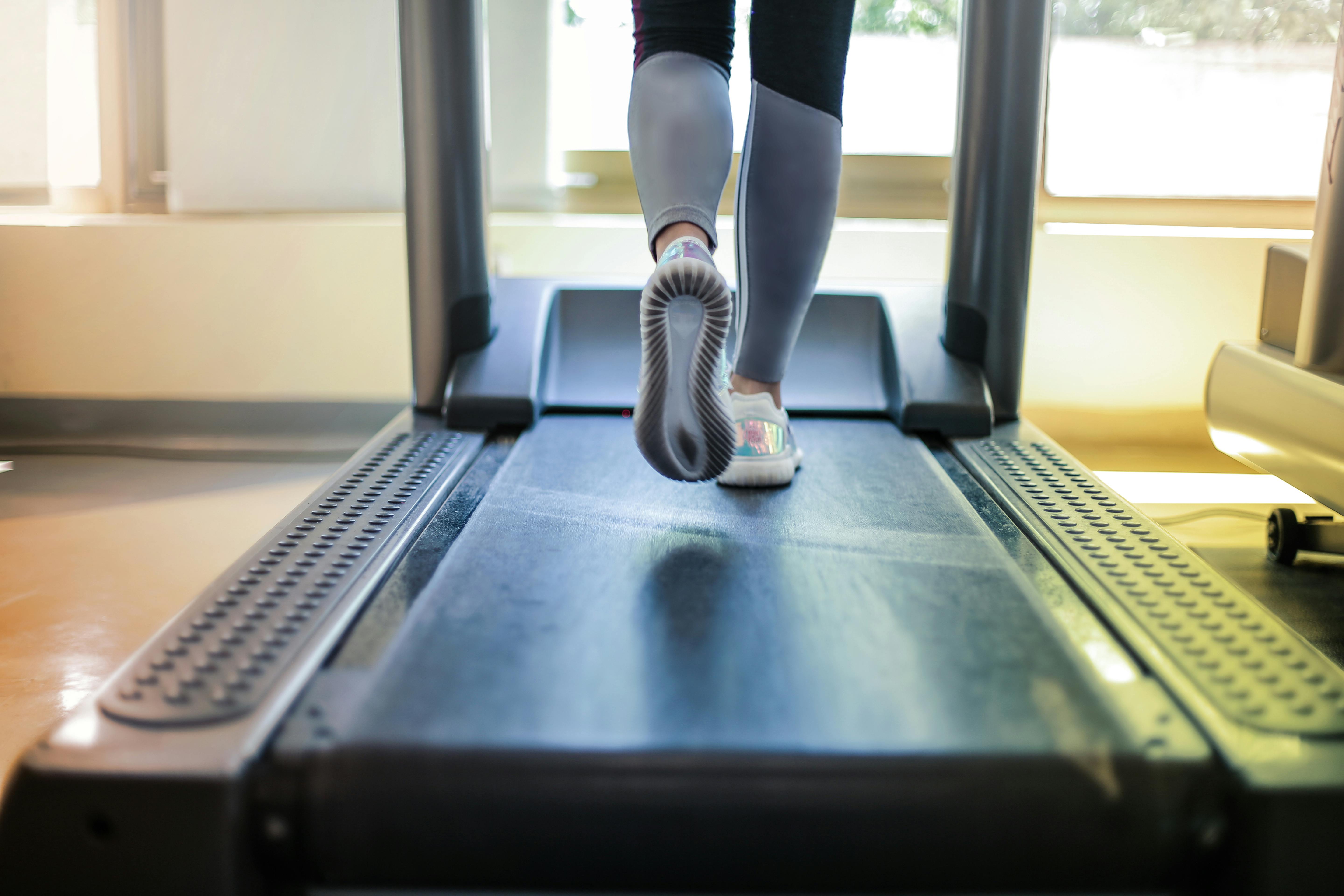
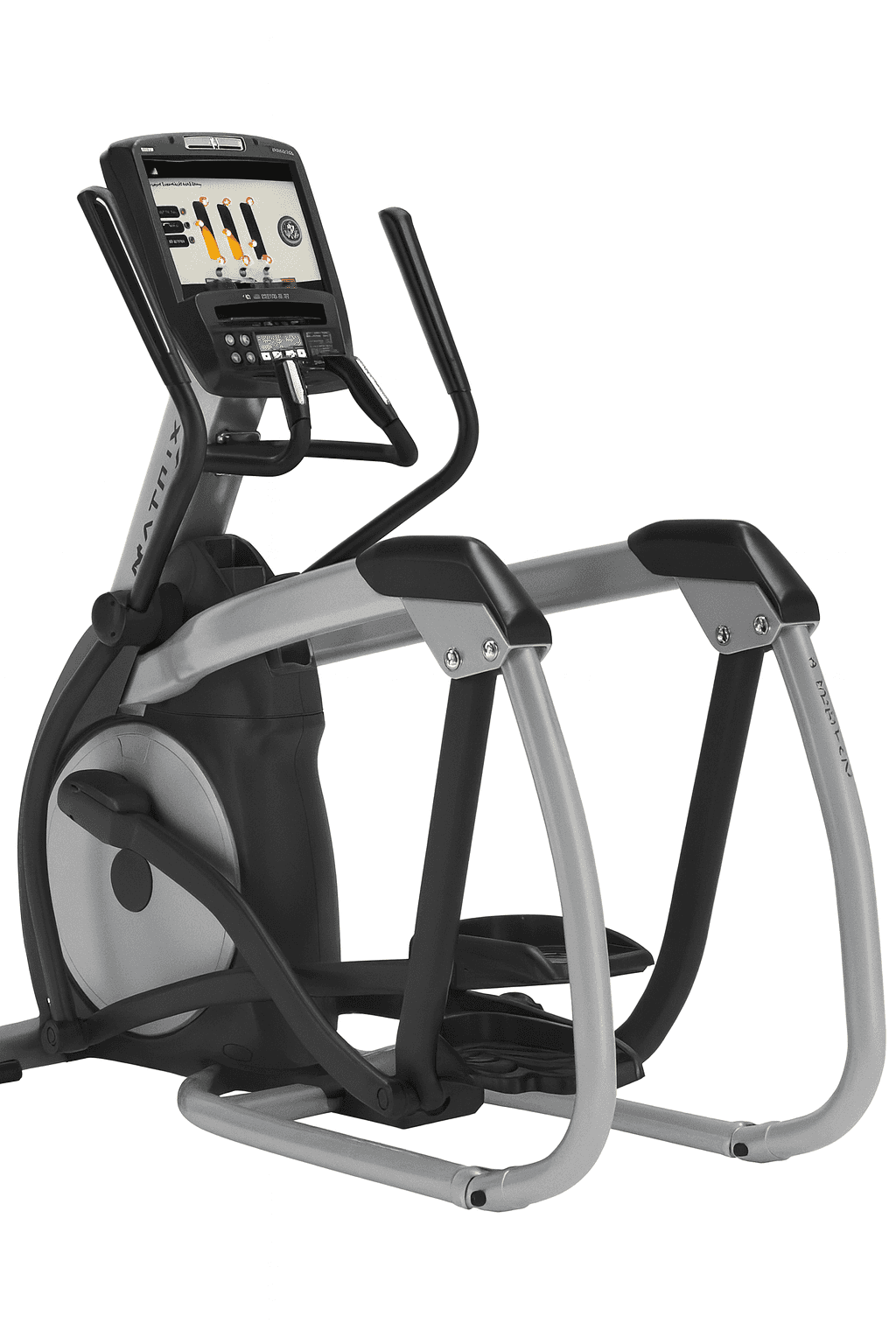
For weight loss and cardiovascular health: Focus on cardio equipment like treadmills, stationary bikes, ellipticals, or rowing machines. These deliver sustained elevated heart rates and serious calorie burn.
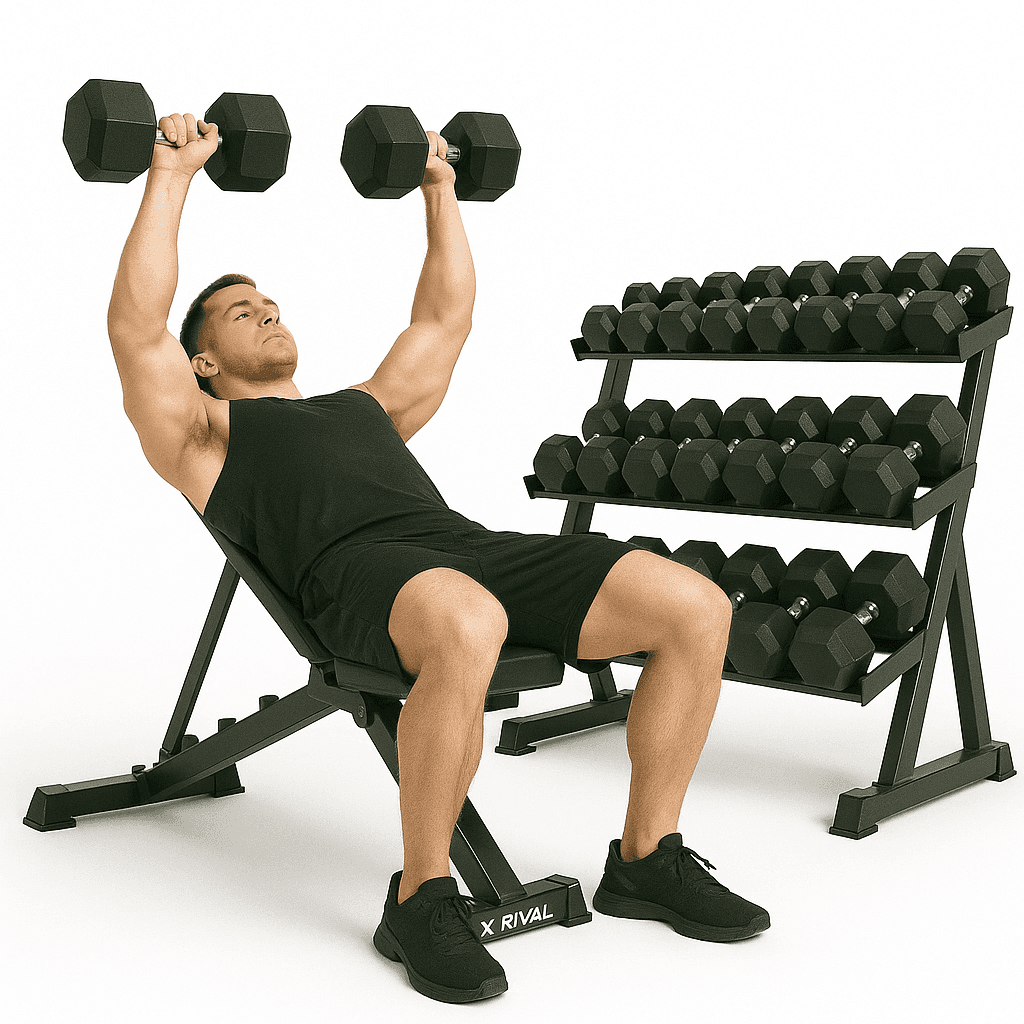
For building strength and muscle: You need resistance equipment—free weights, resistance bands, cable machines, or multi-station gyms. Progressive overload is the name of the game.
For flexibility, mobility, and recovery: Don't overlook simpler tools like quality yoga mats, foam rollers, resistance bands, and stretching aids.
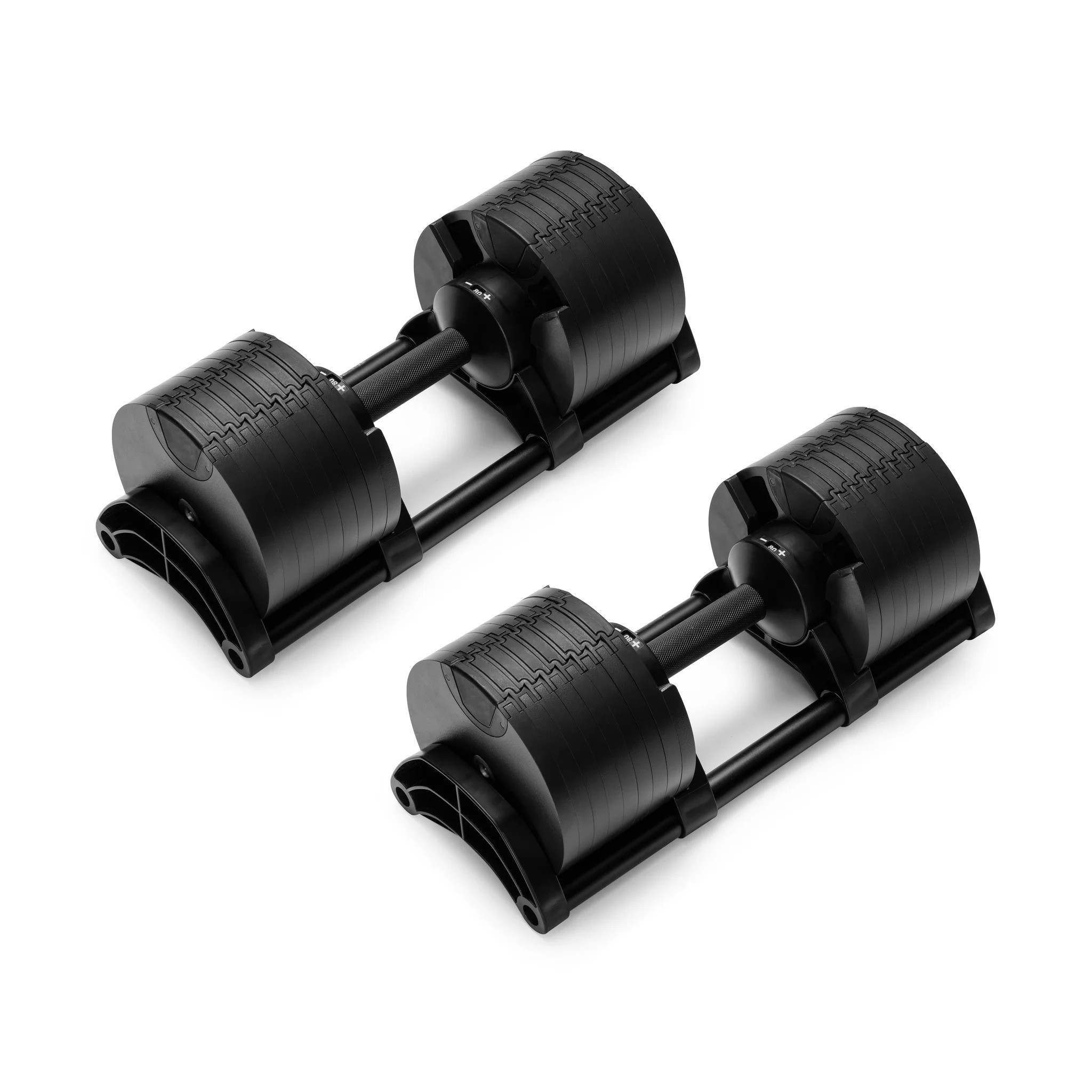
For well-rounded fitness: Consider versatile, multi-function equipment. Adjustable dumbbells, suspension trainers, or cable systems can accommodate dozens of exercises in minimal space.
Be honest about your current fitness level, too. That advanced rowing machine with complicated programming might be overkill (and intimidating) for a beginner. Look for equipment that can grow with you as you progress.
Don't Compromise on Quality and Safety
This is your body we're talking about. Cheap equipment isn't just a waste of money—it can be dangerous.
Build quality matters. Look for:
Sturdy steel frames over plastic construction
Weight capacities that exceed your needs (more capacity = sturdier build)
Quality bearings, pulleys, and cables that won't fail mid-workout
Stability during intense exercise—no wobbling or tipping
Check the safety features carefully:
Emergency stop buttons on treadmills and other powered equipment
Secure locking mechanisms on adjustable components
Non-slip surfaces on pedals, grips, and platforms
Proper weight stack enclosures to prevent pinched fingers
Read the assembly requirements. Some equipment requires professional assembly for safety and warranty validation. If you're doing it yourself, follow instructions precisely—improper assembly can create hazards.
Investigate Warranty and Support
A solid warranty tells you the manufacturer stands behind their product.
Look for comprehensive coverage:
Frame warranty: Should be several years minimum, often lifetime on quality equipment
Parts warranty: Typically 1-3 years
Labor warranty: Usually 1 year on premium equipment
Just as important as warranty length is the claim process. Research the company's reputation for honoring warranties. A "lifetime warranty" means nothing if the company makes claims impossible or goes out of business.
Check that replacement parts are readily available. Some manufacturers discontinue parts after just a few years, leaving you with an unrepairable machine.
Customer support matters when you're troubleshooting issues or need guidance. Look for companies with responsive support teams, clear contact information, and helpful resources.
Do Your Research (The Right Way)
Not all reviews are created equal.
Focus on verified customer reviews from people who've used the equipment for at least 3-6 months. Initial impressions don't reveal durability issues, comfort over time, or whether features remain useful beyond the honeymoon phase.
Pay attention to patterns in complaints. One person saying a bike makes noise could be an outlier. Twenty people mentioning it? That's a real issue.
Check fitness forums and Reddit communities. Enthusiasts often provide brutally honest, detailed feedback that marketing materials won't tell you.
Compare across the category. Don't just look at one treadmill—compare several in your price range. You'll start to see what features are standard versus premium, and what represents good value.
Consider the Modern Extras
Technology has transformed home fitness equipment.
App connectivity and smart features can enhance your workouts significantly:
Guided workout programs that adjust resistance/incline automatically
Progress tracking and goal setting
Virtual classes and scenic routes
Integration with fitness apps and wearables
But here's the catch: make sure these features add value for you. If you prefer simple, straightforward workouts, you might be paying for technology you'll never use.
Check whether apps require ongoing subscriptions. That "connected" bike might need a $40/month membership to access its best features—a cost that adds up over years.
Plan for Maintenance
Every piece of fitness equipment requires some upkeep.
Regular maintenance typically includes:
Cleaning and wiping down after use
Lubricating moving parts on treadmills and cables
Tightening bolts and checking for wear
Replacing belts or pads as they wear
Some equipment is low-maintenance (resistance bands, simple dumbbells), while other pieces need regular attention (treadmills, rowing machines). Factor this into your decision, especially if you're not mechanically inclined or don't want the hassle.
The Bottom Line
Buying home fitness equipment is an investment in your health, but it requires thoughtful decision-making.
Start with these priorities:
Define your goals clearly - What are you actually trying to achieve?
Assess your space realistically - Measure everything, twice
Set a comprehensive budget - Include all costs, not just the price tag
Research thoroughly - Read real reviews from long-term users
Prioritize quality and safety - Your body deserves equipment that won't fail or injure you
Choose versatility when possible - Multi-function equipment maximizes value
Understand the commitment - Maintenance, space, and actual usage
The best home fitness equipment isn't the most expensive or the most feature-packed. It's the equipment that matches your goals, fits your space, suits your budget, and you'll actually use consistently.
Take your time with this decision. Visit stores to try equipment when possible. Ask questions. Read the fine print on warranties and return policies.
Your future self—the one crushing fitness goals in your perfectly equipped home gym—will thank you for doing your homework.
Frequently Asked Questions
What is the best home fitness equipment for beginners?
For beginners, the best equipment depends on your goals, but versatile options include adjustable dumbbells, resistance bands, and a quality yoga mat. These are affordable, space-efficient, and allow you to learn proper form before investing in larger equipment. If you're focused on cardio, a stationary bike or rowing machine offers low-impact options that are easier on joints while building endurance.
How much should I spend on home gym equipment?
A functional home gym can range from $300-$500 for basics (adjustable dumbbells, resistance bands, mat, stability ball) to $2,000-$5,000 for a well-equipped setup with cardio equipment. Your budget should reflect your commitment level and goals. Focus on quality over quantity—one well-built piece you'll use daily is better than multiple cheap items that break quickly. Don't forget to budget for accessories, delivery, and maintenance.
How much space do I need for a home gym?
The minimum space needed varies by equipment type. A basic setup with free weights and a mat needs as little as 50-75 square feet. A single cardio machine like a treadmill or bike typically requires 30-50 square feet including clearance space. For a multi-function home gym with several equipment pieces, plan for 100-200 square feet. Always measure your space first and account for safe clearance zones around equipment (minimum 2-3 feet on each side).
Is it worth buying expensive fitness equipment?
Expensive equipment is worth it when it offers superior durability, better warranty coverage, and features you'll genuinely use. However, price alone doesn't guarantee quality. Mid-range options often provide excellent value. Consider your commitment level—if you work out 5+ times weekly, investing in commercial-grade equipment makes sense. For occasional use, quality mid-range equipment is usually sufficient. Focus on your actual needs rather than premium features you won't use.
What home fitness equipment holds its value best?
Quality weight equipment, particularly Olympic barbells, weight plates, and adjustable dumbbells, hold value extremely well since they rarely break and maintain functionality for decades. Name-brand cardio equipment from reputable manufacturers (especially rowing machines and bikes) also retain 40-60% of their value if well-maintained. Avoid trendy equipment or models with proprietary technology that may become obsolete. Simple, durable, mechanical equipment outlasts and outperforms tech-heavy options in the resale market.
How do I know if home gym equipment is high quality?
High-quality equipment features sturdy steel frame construction, smooth operation with no wobbling, weight capacities significantly exceeding user needs (usually 300+ lbs), quality upholstery that won't crack, comprehensive warranty coverage (especially on the frame), and positive long-term reviews. Check for commercial-grade components, precision in moving parts, and whether replacement parts are readily available. Test equipment in person when possible—quality equipment feels solid and stable during use.
Should I buy new or used fitness equipment?
Used equipment can offer excellent value, especially for weight plates, barbells, and simple machines that have few mechanical parts. Avoid used treadmills and ellipticals unless you can verify their condition, as these have motors and belts that wear out. When buying used, inspect for rust, unusual noises, worn cables or belts, and ensure all safety features work. New equipment offers warranty protection and peace of mind. For your primary cardio equipment, new is usually safer; for weights and accessories, used is often perfectly fine.
What maintenance does home gym equipment require?
Maintenance requirements vary by equipment type. Treadmills need belt lubrication every 3-6 months and regular cleaning. Weight machines require cable inspection, pulley lubrication, and bolt tightening quarterly. Free weights need minimal maintenance—just cleaning and rust prevention. All equipment benefits from wiping down after each use and checking for loose parts monthly. Rowing machines need chain/strap lubrication. Budget 30-60 minutes monthly for basic maintenance, more for complex machinery. Following manufacturer guidelines extends equipment life significantly.